

Transitions are rarely just about the home
For many Long Island families, they’re about navigating one of the most emotional seasons of life — helping aging parents safely aging in place or move from a longtime home into the right next living environment. That’s why we created Next Chapter Home Transitions.

Aging in Place
While the concept is appealing, aging in place typically requires planning and support to ensure safety and sustainability.
Common elements include:
Home safety modifications
In-home care services
Healthcare support
Technology solutions
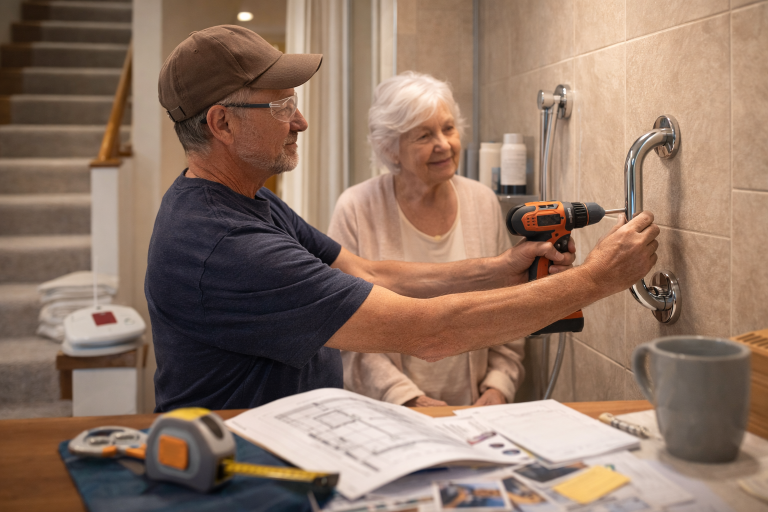
Aging in Place - Practical Requirements
While the concept is appealing, aging in place typically requires planning and support to ensure safety and sustainability.
Common elements include:
Home safety modifications
In-home care services
Healthcare support
Technology solutions
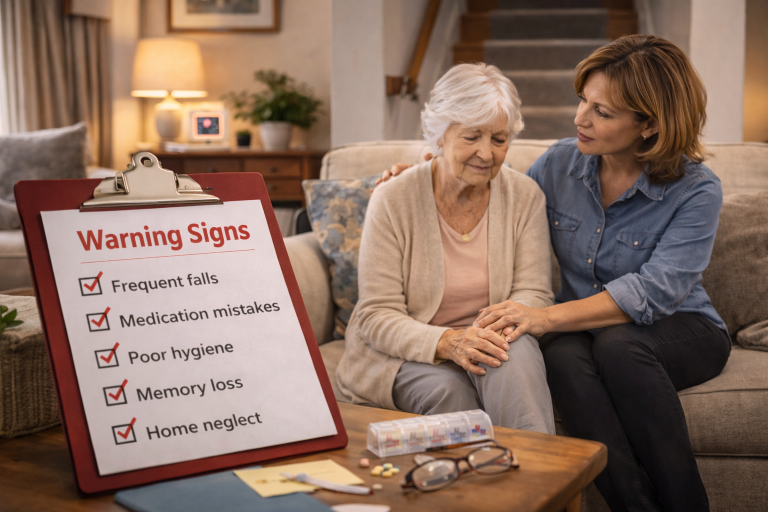
Aging in Place - Signs It May No Longer Be Safe
Families often struggle to determine when a change may be necessary.
Some warning signs include:
Frequent falls or mobility issues
Difficulty managing medications
Poor nutrition or weight loss
Increasing forgetfulness
Unsafe driving
Difficulty maintaining the home
Social withdrawal or isolation
When these challenges arise, it may be time to evaluate alternative living options that provide greater safety and support.